IMEC: India's Vision for a New Golden Road to Europe
In an increasingly interconnected yet fragmented world, the quest for efficient and resilient global supply chains has never been more critical. Amidst this backdrop, India is championing a monumental initiative: the India-Middle East-Europe Economic Corridor (IMEC). This ambitious project, often referred to as the modern 'Golden Road,' is more than just a transportation route; it's a strategic blueprint designed to profoundly reshape the india economy middle east dynamic, foster unparalleled economic integration, and establish a robust counter-narrative to existing global trade pathways.
IMEC envisions a future where goods, services, and ideas flow seamlessly between Asia, the Persian Gulf, and Europe, underpinned by an intricate network of rail and shipping links. This endeavor isn't merely about logistical efficiency; it's a bold statement of intent, positioning India at the heart of a new economic order and redefining its geopolitical influence on the global stage.
The Vision: Forging Unprecedented Connectivity Across Continents
At its core, IMEC is about creating a multimodal economic corridor that significantly reduces transit times and costs between India and Europe. The proposed route is a marvel of logistical planning, originating in India, specifically Mumbai, before traversing the Arabian Sea to key ports in the United Arab Emirates (UAE). From there, an extensive railway network will snake through Saudi Arabia, connecting crucial economic hubs like Jeddah, Riyadh, and Dammam. The journey then extends across the Arabian Peninsula to Israel, culminating at the port of Haifa, a critical Mediterranean gateway. Finally, goods will be shipped from Haifa to Greece's port of Piraeus, offering direct access to the broader European market.
This intricate combination of sea and rail transport represents a paradigm shift. It's designed to overcome geographical barriers and enhance the speed and reliability of trade. Historically, India's trade with Europe has predominantly relied on the Suez Canal. However, as recent global events have highlighted, over-reliance on a single chokepoint presents significant vulnerabilities. IMEC provides an innovative alternative, promising not just a bypass but a superior route that leverages modern infrastructure and strategic partnerships.
The vision also draws inspiration from ancient trade routes, dubbed the 'Golden Road,' which for millennia facilitated the exchange of goods and cultures between the East and West. IMEC revives this spirit of grand connectivity, but with 21st-century technology and geopolitical imperatives. The collaboration among India, the UAE, Saudi Arabia, Israel, and Europe underscores a shared commitment to fostering prosperity and stability through integrated infrastructure. This corridor is poised to unlock immense potential for the india economy middle east sector, driving investment in logistics, port development, and supporting industries across all participating nations.
Geopolitical Chessboard: IMEC as a Strategic Counterpoint
Beyond its economic aspirations, IMEC carries significant geopolitical weight. Launched as a direct counter-narrative to China's expansive Belt and Road Initiative (BRI), IMEC offers a democratic, transparent, and rules-based alternative for global infrastructure development. While BRI has faced criticism for its debt-trap diplomacy and lack of transparency, IMEC is presented as a collaborative venture rooted in mutual benefit and shared strategic interests. This distinction is crucial for countries seeking sustainable and equitable partnerships.
The corridor's strategic importance has been further amplified by recent global disruptions. The ongoing conflict in Gaza initially cast a shadow over the project, particularly concerning the Israeli leg of the route. However, the subsequent Houthi blockade in the Red Sea and its impact on shipping through the Suez Canal have paradoxically underscored IMEC's critical value. The corridor is now widely seen as a vital mechanism to "future-proof" the India-Europe-US supply chain, providing a resilient bypass to volatile regions and ensuring the uninterrupted flow of goods. For a deeper dive into how this corridor redefines trade, consider reading Beyond Suez: How the IMEC Redefines India-Europe Trade.
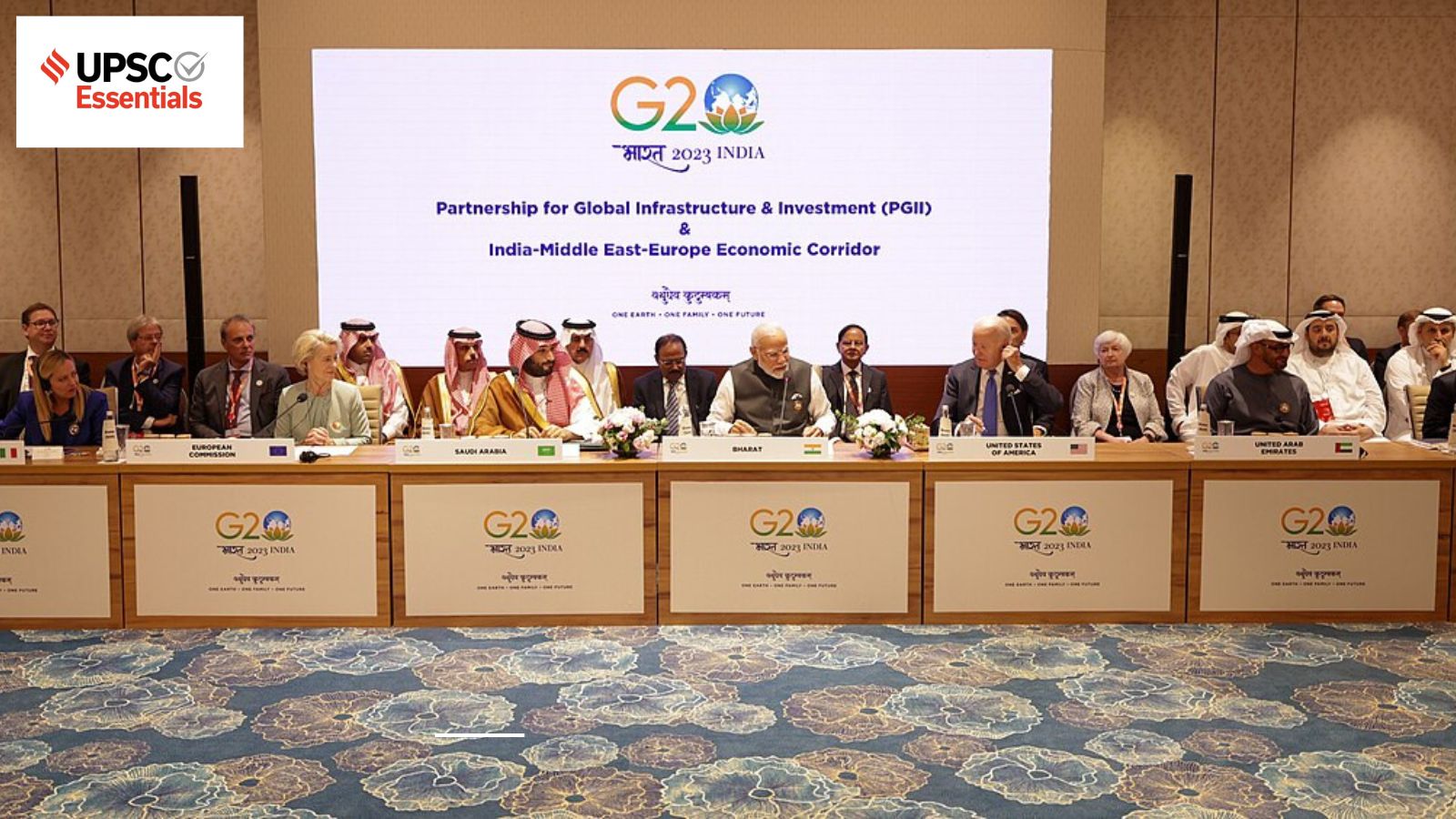
The renewed enthusiasm for IMEC, notably reinvigorated during Indian Prime Minister Narendra Modi's engagement with the White House, highlights the high-level political backing it enjoys. The project is not just an economic pathway but a pillar of a new geopolitical architecture, fostering closer ties between democratic nations and promoting regional stability through economic interdependence. This strategic competition with existing routes and initiatives marks a pivotal moment for international trade and infrastructure development. To understand the broader implications of this strategic rivalry, exploring IMEC vs. BRI: India's Strategic Economic Corridor to Europe would provide valuable context.
Economic Ripple Effects: Boosting India, the Middle East, and Europe
The potential economic benefits of IMEC are staggering, promising a transformative impact across the participating regions. For India, the corridor offers unprecedented access to European markets, enhancing its export competitiveness and attracting significant foreign direct investment (FDI) into its manufacturing and logistics sectors. Indian businesses can leverage faster and more reliable supply chains to integrate more deeply into global value chains, boosting economic growth and job creation. The development of new ports, rail networks, and associated logistics infrastructure within India will be a significant boon for its economy.
The Middle East, particularly the UAE and Saudi Arabia, stands to become a pivotal transit and logistics hub. Investment in railway lines, port expansion, and advanced logistics parks will transform these nations into central nodes for East-West trade. This diversification away from hydrocarbon-dependent economies aligns perfectly with their long-term economic visions, like Saudi Arabia's Vision 2030. The transit fees, employment opportunities, and spillover effects into technology and service sectors will significantly bolster the india economy middle east corridor's financial health.
Europe, on the other hand, gains a more diverse and resilient supply chain for goods from Asia, reducing its reliance on traditional, sometimes bottlenecked, routes. This improved connectivity can lower import costs, enhance consumer choice, and strengthen economic ties with rapidly growing Asian markets. Industries such as automotive, electronics, textiles, and pharmaceuticals are expected to see significant benefits from reduced transit times and increased supply chain predictability.
Beyond goods, IMEC is designed to facilitate the flow of energy, digital data, and technology, fostering a holistic economic integration. The potential for fiber optic cables alongside rail lines and new energy pipelines could revolutionize digital connectivity and energy security for all involved. This comprehensive approach to integration will foster a fertile ground for businesses seeking new markets and investment opportunities.
Practical Insights for Businesses:
- Logistics Optimization: Companies should start evaluating how IMEC can streamline their supply chains, potentially leading to faster market entry and reduced inventory costs.
- Investment Opportunities: The corridor will spur massive infrastructure development. Opportunities for investment exist in port management, rail logistics, warehousing, and digital infrastructure.
- Market Access: Indian exporters can strategically target European markets with reduced lead times, while European importers can diversify sourcing from India and beyond.
- Regional Partnerships: Fostering collaborations with logistics providers and businesses in the UAE, Saudi Arabia, and Greece will be crucial for leveraging the corridor effectively.
Navigating Challenges and Forging Ahead
While the vision for IMEC is grand, its realization is not without challenges. The initial delay due to the Gaza conflict highlighted the inherent geopolitical sensitivities of the region. Sustained political will and diplomatic efforts will be paramount to ensure the project stays on track, especially given the complex geopolitical landscape of the Middle East. Furthermore, the massive financial investment required for developing new rail networks, upgrading port infrastructure, and ensuring seamless intermodal transfers will necessitate strong public-private partnerships and international financial backing.
The establishment of the Indo-Mediterranean Initiative (IMI) in June 2024 is a testament to the commitment to track and propel IMEC's progress. This initiative signals a structured approach to addressing implementation hurdles and maintaining momentum. It also emphasizes the long-term perspective of the project, recognizing that such a transformative endeavor will require consistent effort and adaptation.
However, the recent global supply chain disruptions have underscored the imperative for IMEC. The strategic value of an alternative, resilient trade route from India to Europe now seems less a luxury and more a necessity. The political impetus, combined with the clear economic benefits and the need for diversified supply chains, suggests a strong path forward despite potential headwinds. The corridor's ability to adapt and overcome challenges will define its ultimate success and its legacy in shaping the future of global trade and the india economy middle east corridor's growth.
The India-Middle East-Europe Economic Corridor represents a transformative endeavor, promising to reshape global trade, foster economic integration, and bolster geopolitical stability. By leveraging ancient routes with modern technology and strong partnerships, India is charting a course towards a new golden age of connectivity. This ambitious project is set to unleash unprecedented opportunities for the india economy middle east and Europe, creating a more resilient, efficient, and prosperous future for all involved.